Axes & Field Tools / GEAR NOTES
Barebones Felling Axe: traditional appeal, practical questions
A wood-handled axe deserves a close look at fit and condition before the first job.
By Last Stand Supply Co. · Archive date: September 15, 2025
Published October 24, 2026. Archive dates organize this retrospective collection; they are not original publication dates.
Why the traditional format appeals
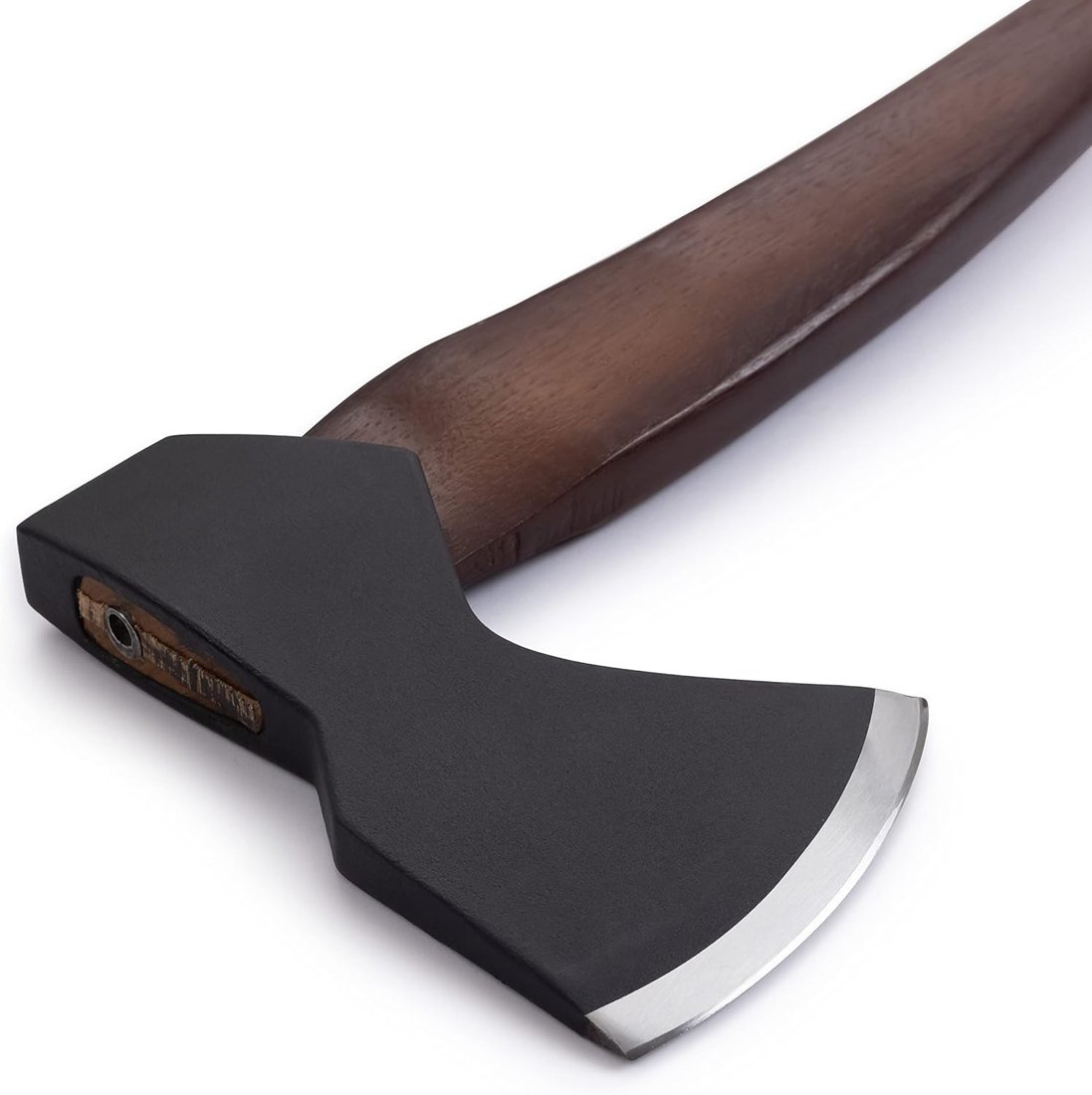
There is a straightforward appeal to a steel axe head on a wooden handle. It looks familiar because the arrangement has a clear purpose, and the Barebones Felling Axe leans into that traditional character. I like tools that can be understood without a long feature list. The important questions are practical ones: what work is it sized for, how does the handle fit, and is the complete tool in good condition? The appearance may start the conversation, but those details should decide whether it belongs in your outdoor equipment.
What the references show
Barebones describes a carbon-steel head and hickory handle. Current retailer specifications differ substantially from the dimensions in the supplied catalog, so I would confirm the exact model rather than repeat the catalog’s size claims here. That distinction matters with an axe. A compact camp tool and a larger felling axe are not interchangeable just because the product names sound similar. The useful attraction is a traditional handle material and a manageable outdoor-tool format, provided the actual dimensions and intended use match what you need. I would ask for those details before comparing it with another axe.
Think about the work first
An axe purchase makes more sense when you know the jobs it will handle. Occasional camp wood preparation is different from extended wood processing, and a tool that feels convenient to pack may not be the most efficient choice for a full day of work. I would consider the working space, transport, and storage as part of the decision too. A suitable protective cover and a consistent place in the vehicle or shed are not glamorous, but they make ownership more practical. Choose the tool for the routine you actually have rather than the largest job you can imagine.
A concern worth taking seriously
The Backcountry listing contains negative owner feedback, including a report of a handle breaking on the first swing. A small number of reviews cannot establish a failure rate, but I would not ignore that report or claim the model has universally proven durability. Handle condition, head fit, and any damage deserve a close inspection before use. If anything appears loose, cracked, or questionable, stop and resolve it rather than continuing. This is an area where an honest buying conversation matters more than keeping every sentence positive. Traditional materials are appealing; they still need to be sound.
My recommendation
The Barebones is worth considering for someone drawn to the traditional design, with the important condition that the exact item is checked carefully. I would not sell it on exaggerated claims about heavy work or lifetime toughness. Ask about its measurements, handle, and head fit, then decide whether the tool suits your intended tasks. The strongest purchase is an informed one, and the current product page provides a place to start that conversation.
What works
- Traditional hickory-handle design
- Straightforward outdoor-tool format
- Classic appearance
Worth considering
- Owner reports include handle failure
- Catalog dimensions require confirmation
Sources & product-version notes
Owner failure reports are anecdotal, not a measured failure rate. Current published dimensions conflict with the supplied catalog.