
Power & Preparedness / GEAR NOTES
UST 30-Day DURO: steady light without a charging routine
A practical lantern for a table, a camp box, or the next power interruption.
By Last Stand Supply Co. · Archive date: April 15, 2025
Published October 24, 2026. Archive dates organize this retrospective collection; they are not original publication dates.
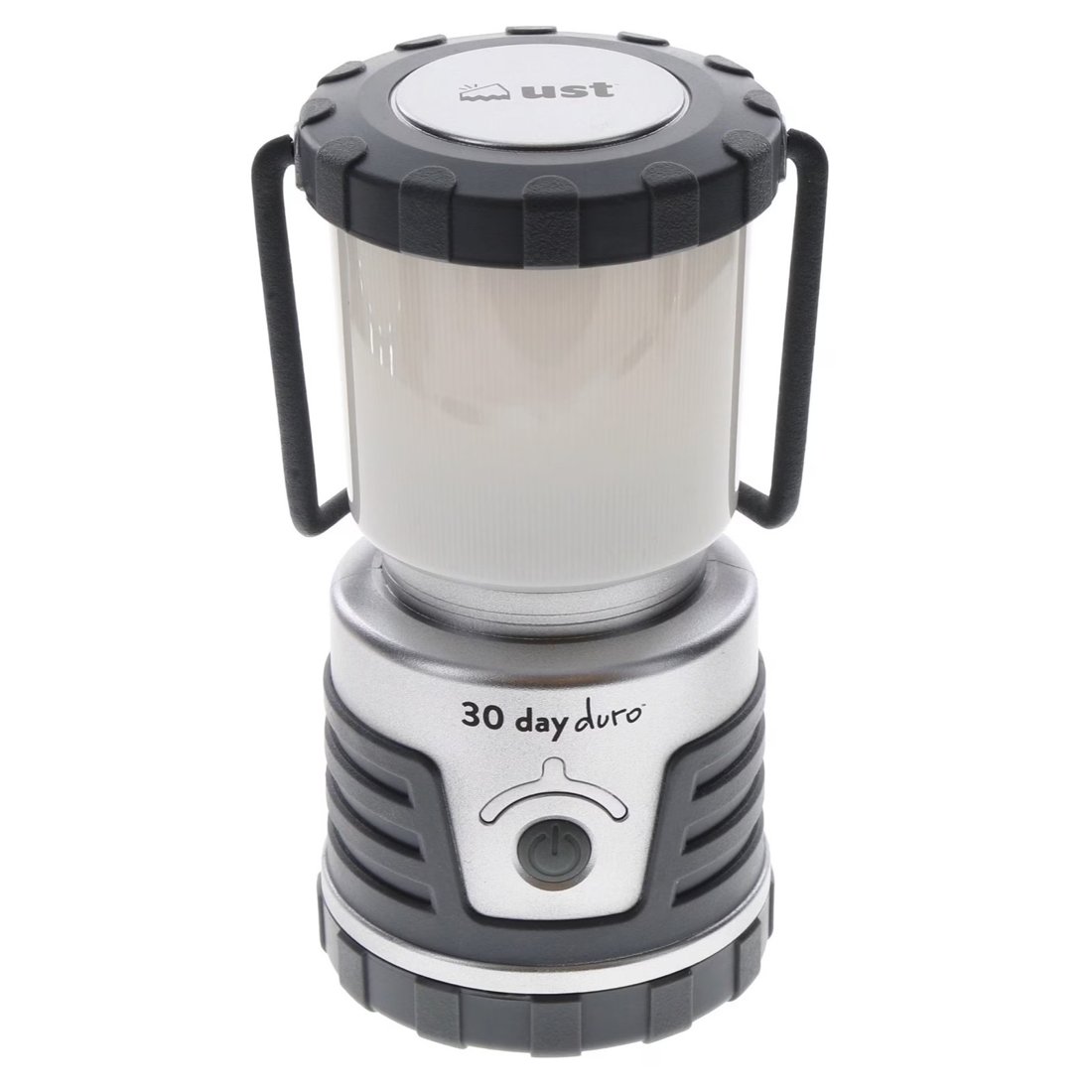
Area light has its own job
A flashlight is useful when you need to point light at something. A lantern is useful when several people simply need to see. That difference is why I like keeping an area light in a camp or home kit. The UST 30-Day DURO is built around that straightforward role. Set it where it belongs and let it illuminate the shared space while your hands do something else. It is not the most fashionable category of equipment, but it can make ordinary tasks easier when the usual room lighting is unavailable.
Understand the name
The important word in the long-runtime claim is low. UST lists up to thirty days on the low setting, not a month at maximum brightness. OutdoorGearLab’s review also emphasized the extended low-output operation while questioning the practicality of disposable D cells for routine recreational use. That is a helpful distinction. A low setting can be useful for modest background light, while brighter output serves a different job and consumes power faster. I would choose the lantern based on those actual uses rather than treat the model name as a promise that every mode lasts the same amount of time.
Why replaceable batteries can appeal
The DURO runs on three D batteries. For someone who prefers keeping spare batteries with a home or vehicle kit, that can be convenient. You do not have to wait for a discharged internal battery to refill before restoring light. The handle and hanging options also make placement flexible, although the safest and most useful position depends on the space. I would test the arrangement at home: find a stable location, learn the controls, and decide where the spare batteries live. Those small steps make the lantern easier to use when the room is suddenly dark.
The compromises
D cells add size, weight, and recurring cost. For frequent camping, a rechargeable lantern may better match a routine that already includes charging other devices. Battery storage also deserves attention; a light left untouched for years is not automatically ready just because it uses replaceable cells. Inspect it periodically and follow the manufacturer’s guidance. There are multiple DURO versions, so output levels and modes should be checked against the actual item. I would not transfer the precise brightness or feature list from a newer edition to an older one without confirming the label.
Where it fits best
The DURO makes a convincing case as a simple area light for someone comfortable maintaining a replaceable-battery kit. Its strengths are shared illumination, practical placement, and the option of extended low-level use. If you want light on a table while you sort equipment or spend time at camp, it is worth considering. The listing has the current item details; ask about the version if a particular output mode matters to you.
What works
- Practical shared area lighting
- Replaceable battery power
- Long manufacturer-rated low-mode runtime
Worth considering
- D cells add weight and ongoing cost
- Thirty-day claim applies to low mode
Sources & product-version notes
Product references and owner reviews informed this original assessment. Their testing experiences are not presented as our own.